Ad-AHA Stroke
Adult Assisting Hand Assessment Stroke
Adult Assisting Hand Assessment Stroke (Ad-AHA Stroke) is a standardized test intended for adults who suffered from a stroke. The Ad-AHA Stroke is an evaluative tool to measure how effectively adults with unilateral hand dysfunction actually use their involved hand collaboratively with their well-functioning hand to perform bimanual tasks.
Using two hands together is a crucial aspect of the performance of most daily life tasks. However, in adults with acquired hemiparesis, assessments of hand function commonly focus on measuring aspects of unimanual function in each hand, one at a time. The Assisting Hand Assessment for adults following Stroke (Ad-AHA Stroke) is based on the same construct as the other AHA versions, i.e., it aims to describe and measure how well the affected hands are used together during spontaneous performance of bimanual hand activities.
The Ad-AHA Stroke scale is scored on 19 items using a 4-point rating scale, providing a valid measure of bimanual performance. The rating scale structure, goodness of fit and principal component analysis demonstrated evidence of a unidimensional construct. The strong reliability and high person separation ratio indicated high probability for the scale to be responsive to change. Correlation to outcomes of the Jebsen and Taylor Test of Hand Function and the ABILHAND Stroke indicated strong external validity.
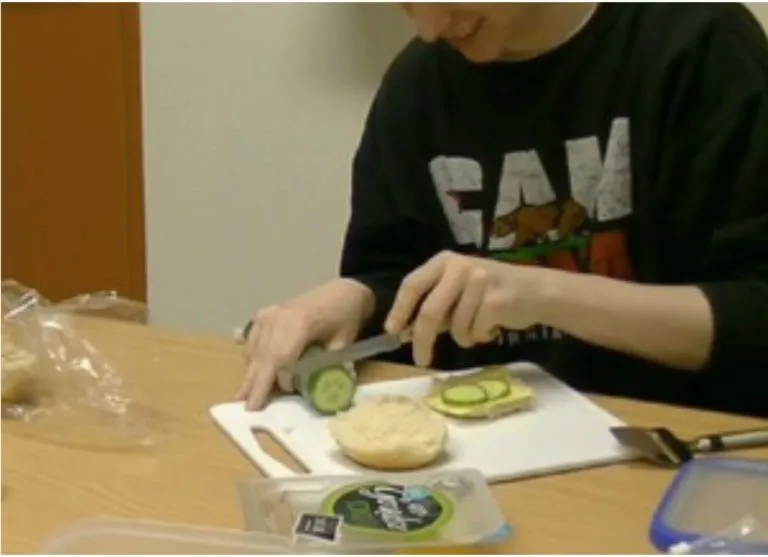
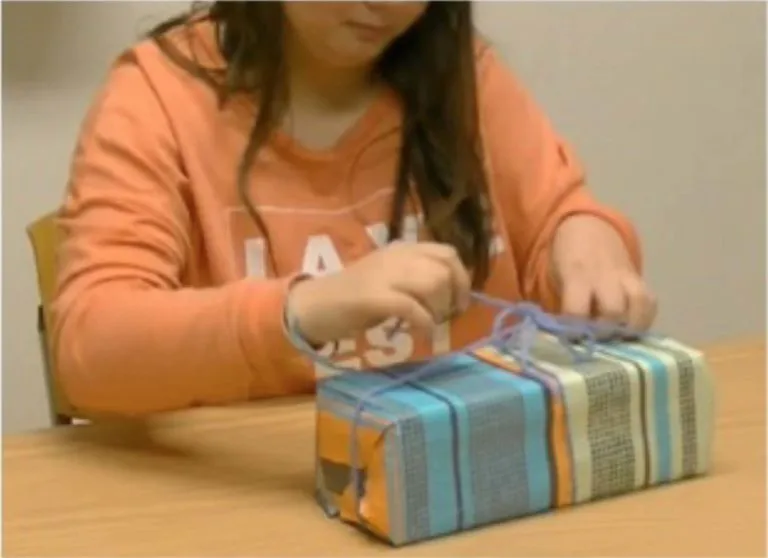
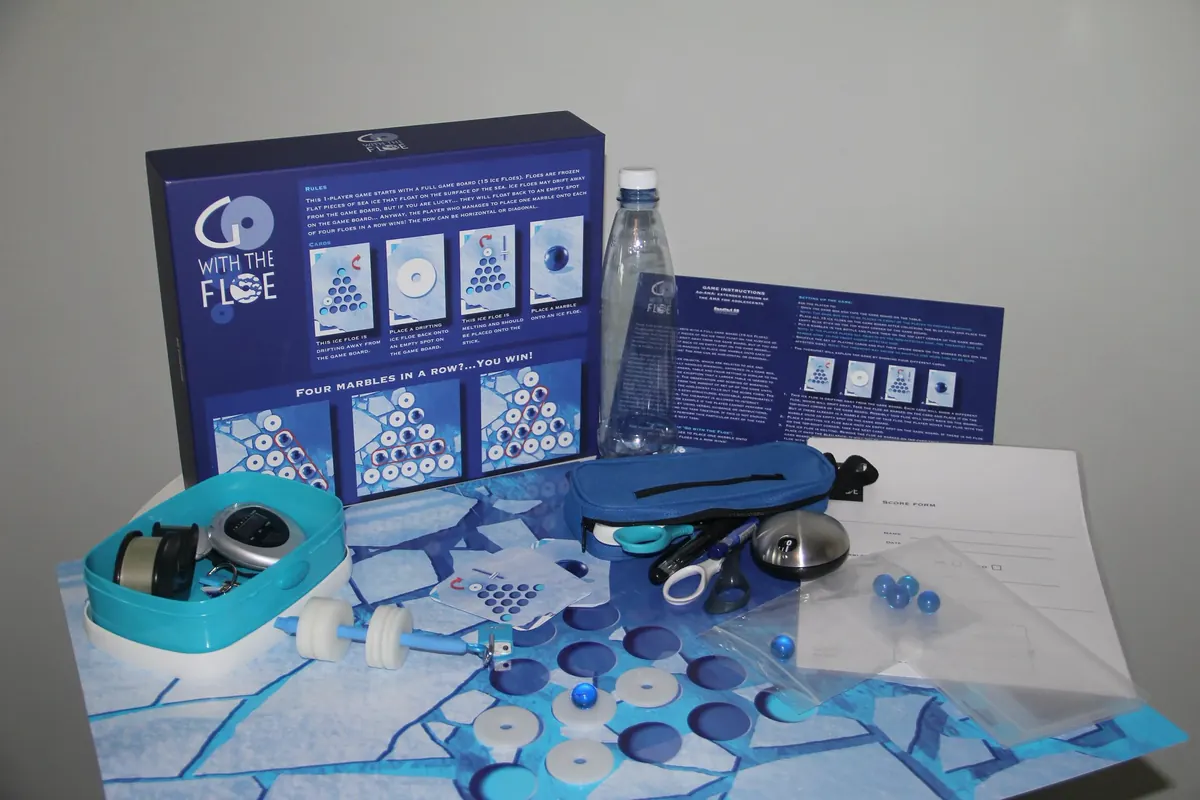
In the Ad-AHA Stroke, one of two bimanual activities is used as the base for the observation and scoring namely a Sandwich task or a Present task, described in detail in the assessment manual. Also, a board game called Go with the Floe can be used. Alternate forms reliability has shown to be strong, supporting that the different activities can be used equivalently.