AHA 18-18
Assisting Hand Assessment 18 - 18
AHA is a standardized test intended for children with unilateral Cerebral Palsy or Brachial Plexus Palsy between the ages of 18 months and 18 years. The Assisting Hand Assessment (AHA) is an evaluative tool to measure how effectively children with unilateral hand dysfunction actually use their involved hand collaboratively with their well-functioning hand to perform bimanual tasks.
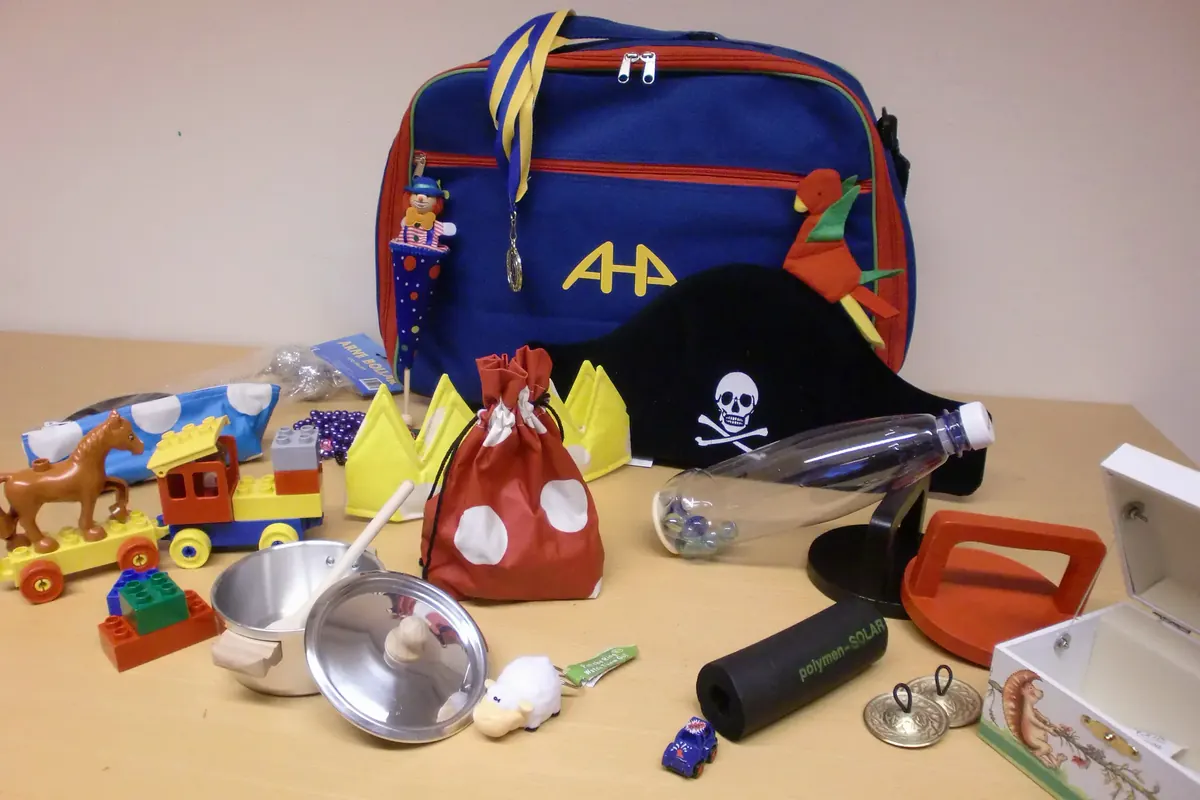
An AHA assessment is done in two steps. The first step is an enjoyable 10 to 15 minute semi-structured play session using a test-kit of selected toys requiring bimanual use. Young children (18 months – 5 years) play exploratory with the toys in the test-kit.
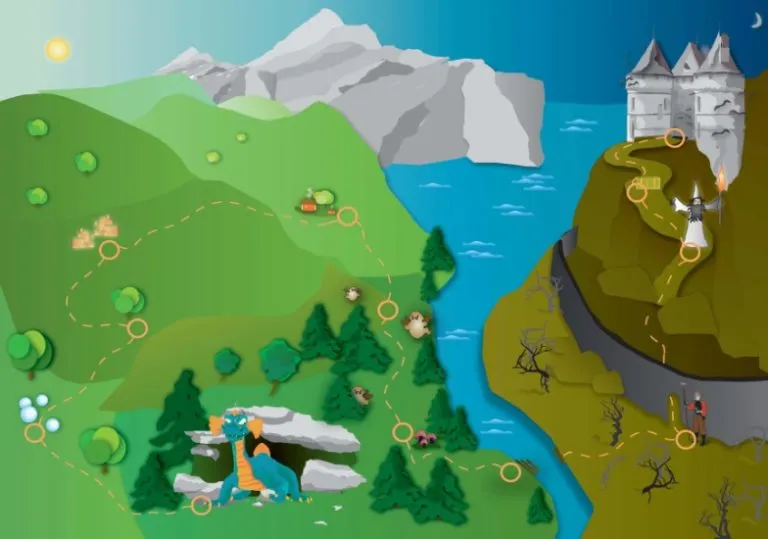
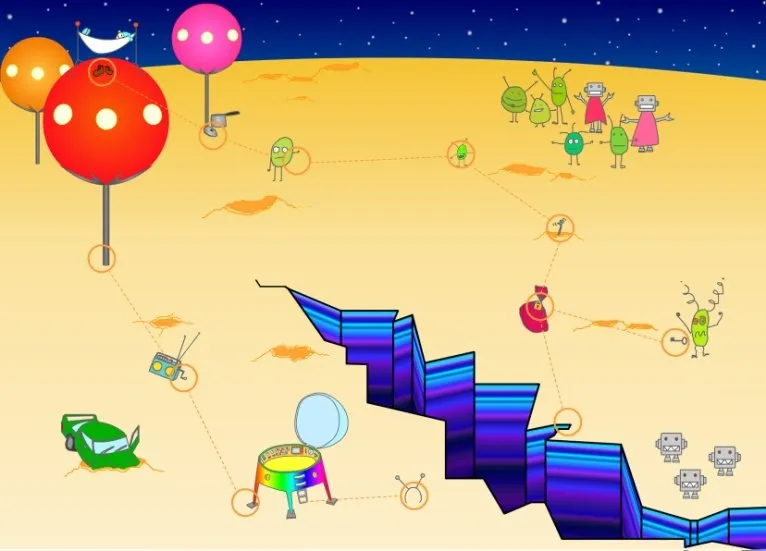
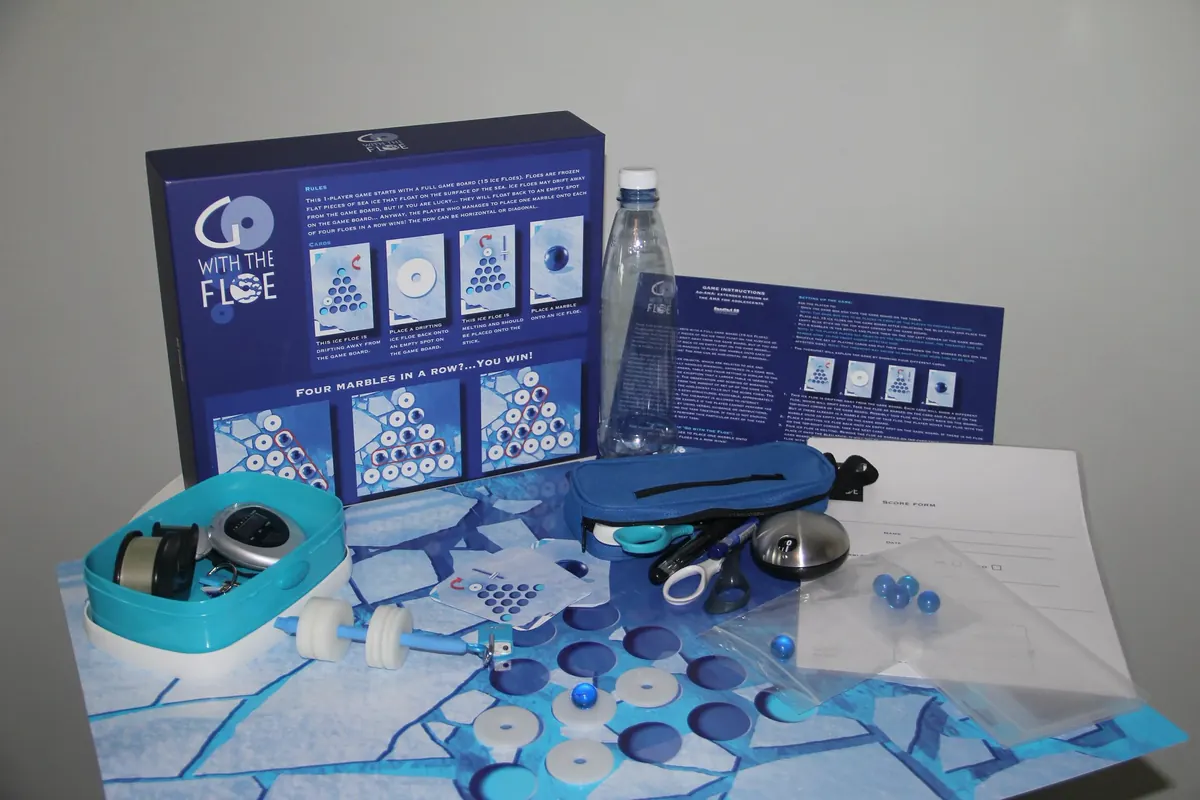
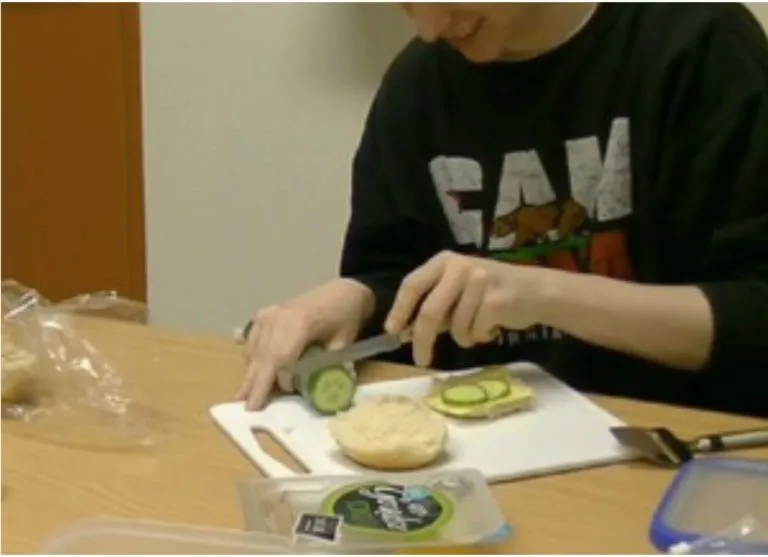
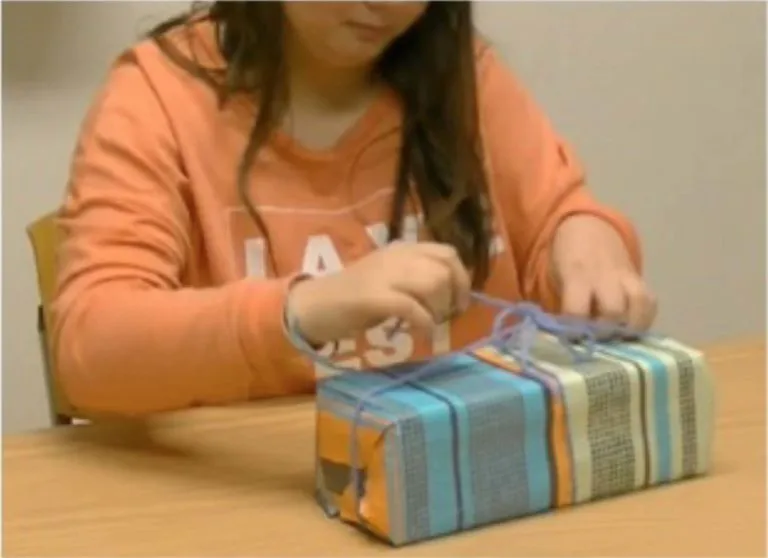
For older children (6-12 years) a specially designed board game in two different versions (Alien game and Fortress game) is utilized and for teenagers a board game (Go with the Floe), or two other bimanual activities, the Sandwich and the Present tasks, can be used.
The AHA activities are video recorded. In the second step the examiner views the recording and assesses performance on 20 items scored on a four-point rating scale. The outcome is an evaluative interval level measure in a 0-100 AHA-units where a higher number means a higher ability. In addition to this, an item difficulty hierarchy is made available which is useful for guiding interventions to just the right difficulty level for the individual patient.